Introduction
Lightning strikes pose a serious threat to buildings, electrical systems, and human safety. Traditional protection methods often fall short in high-risk environments. This is where ESE Lightning Arresters (Early Streamer Emission Lightning Arresters) come into play—offering enhanced protection, wider coverage, and faster response times.
What is an ESE Lightning Arrester?
An ESE Lightning Arrester (ESE LA) is an advanced lightning protection device designed to intercept lightning strikes before they hit a structure. Unlike conventional air terminals, ESE systems actively generate an upward streamer earlier than surrounding objects, ensuring controlled and safe discharge of lightning energy to the ground.
How ESE Lightning Arresters Work
ESE technology is based on the principle of early streamer emission, which allows the arrester to respond faster to atmospheric electrical changes.
Working Mechanism:
- Charge Accumulation – During storm conditions, electrical charges build up between cloud and ground.
- Ionization Process – The ESE head becomes energized and prepares to emit a streamer.
- Early Streamer Emission – The arrester emits an upward leader earlier than nearby structures.
- Lightning Capture – The lightning strike is intercepted by the ESE terminal.
- Safe Dissipation – The current is safely conducted to earth via a proper grounding system.
Key Features of ESE Lightning Arresters
- ⚡ Extended Protection Radius – Covers a larger area compared to conventional lightning rods
- ⚡ Fast Response Time – Early streamer emission ensures quick interception
- ⚡ High Reliability – Designed for consistent performance in extreme weather
- ⚡ Durable Construction – Corrosion-resistant materials like stainless steel
- ⚡ Compliance with Standards – Typically tested as per NFC 17-102 and other relevant standards
Advantages Over Conventional Lightning Protection
| Feature | Conventional Rod | ESE Lightning Arrester |
|---|---|---|
| Coverage Area | Limited | Wide radius |
| Response Time | Standard | Faster (Early emission) |
| Installation | Multiple rods needed | Fewer units required |
| Cost Efficiency | Higher overall | More economical long-term |
| Protection Level | Basic | Advanced |
Applications of ESE Lightning Arresters
ESE LAs are widely used across various sectors:
- 🏢 Commercial buildings and offices
- 🏭 Industrial plants and factories
- 🏫 Schools, hospitals, and institutions
- 🏗️ High-rise buildings and towers
- ⚡ Power plants and substations
- ⛽ Oil & gas facilities
- 📡 Telecom towers and data centers
Components of an ESE Lightning Protection System
A complete system includes:
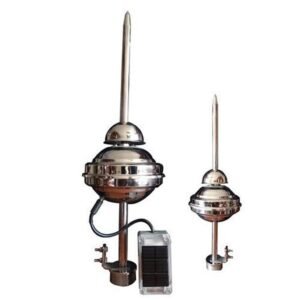
- ESE Air Terminal (Lightning Arrester Head)
- Down Conductor (Copper/GI Strip or Cable)
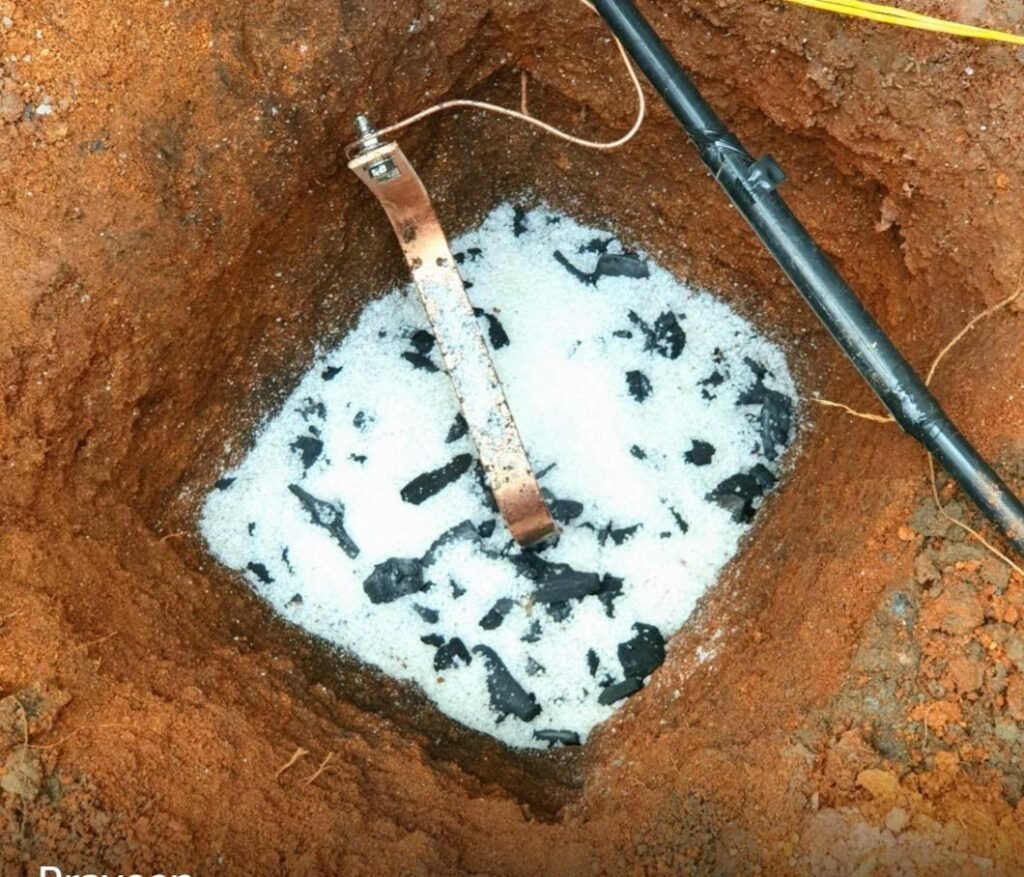
- Earthing System (Electrodes, Backfill Compound)
- Test Clamp & Inspection Chamber
Proper integration of all components is critical for effective performance.
Installation Guidelines
- Install at the highest point of the structure
- Ensure proper earthing resistance (typically < 1 ohm for critical installations)
- Use high-quality copper or GI conductors
- Maintain secure connections and routing
- Conduct regular inspection and maintenance
Standards & Compliance
ESE Lightning Arresters are generally designed and tested as per:
- NFC 17-102 (France Standard)
- IEC 62305 (Lightning Protection Standard)
- IS/IEC guidelines for earthing and protection
Why Choose ESE Lightning Arresters?
ESE systems provide proactive lightning protection, making them ideal for modern infrastructure where safety, reliability, and efficiency are crucial. With fewer installation points and a wider protection radius, they offer a cost-effective and technically superior solution.
Conclusion
ESE Lightning Arresters represent the next generation of lightning protection technology. By combining advanced emission technology with robust grounding systems, they ensure maximum safety for structures and equipment.
For optimal performance, always pair your ESE LA with a high-quality earthing system and certified installation practices.