Which Lightning Protection System is Better?
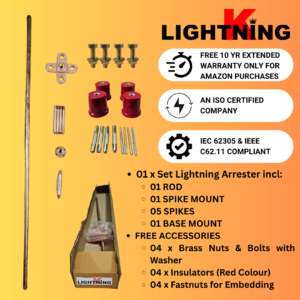
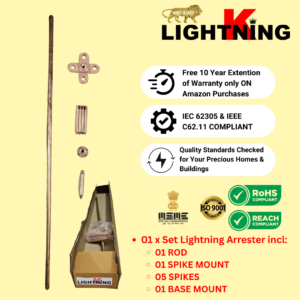
Lightning protection is critical for safeguarding structures, equipment, and human life. Two widely used systems are ESE Lightning Arresters (Early Streamer Emission) and the Franklin Rod (conventional lightning rod). While both serve the same purpose, their technology, efficiency, and coverage differ significantly.
🔍 What is a Franklin Rod?
The Franklin Rod, invented by Benjamin Franklin, is a traditional lightning protection device. It is a simple metal rod installed at the highest point of a structure to attract lightning and safely conduct it to the ground.
👉 Works on passive interception principle
⚡ What is an ESE Lightning Arrester?
An ESE Lightning Arrester (ESE LA) is an advanced device that emits an early upward streamer, allowing it to intercept lightning strikes faster and from a greater distance.
👉 Works on active early emission principle
⚙️ Working Principle Comparison
| Parameter | Franklin Rod | ESE Lightning Arrester |
|---|---|---|
| Technology | Passive | Active (Early Streamer Emission) |
| Strike Interception | Standard timing | Earlier than surroundings |
| Response | Natural attraction | Triggered emission |
| Efficiency | Basic | Advanced |
📊 Coverage Area Comparison
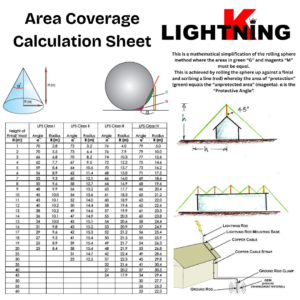
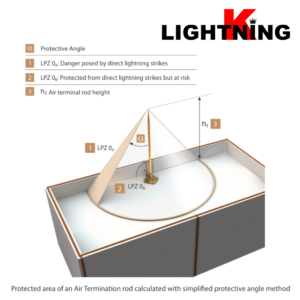
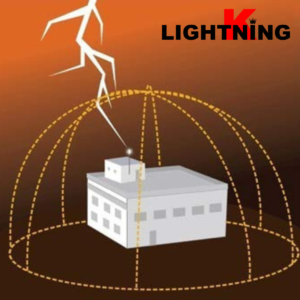
One of the biggest differences lies in protection radius:
- Franklin Rod:
Covers a limited zone, requiring multiple rods for large structures - ESE Lightning Arrester:
Covers a much wider area (based on ΔT and height), reducing the number of installations
👉 Result: ESE = Better area optimization + fewer installations
💰 Cost Comparison (Real Insight)
| Factor | Franklin Rod | ESE Lightning Arrester |
|---|---|---|
| Initial Cost | Low | Moderate |
| Installation Cost | High (multiple rods) | Lower (fewer units) |
| Maintenance | Moderate | Low |
| Long-Term Cost | Higher | More economical |
👉 ESE wins in lifecycle cost efficiency
🏗️ Installation Differences
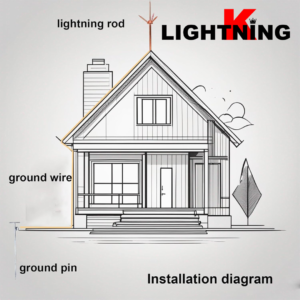
Franklin Rod:
- Requires multiple rods
- Complex network for large buildings
- Higher material usage
ESE Lightning Arrester:
- Single unit can protect large areas
- Cleaner and simpler installation
- Reduced conductor length
🛡️ Protection Level
| Aspect | Franklin Rod | ESE Lightning Arrester |
|---|---|---|
| Protection Reliability | Standard | High |
| Strike Capture Efficiency | Limited | Enhanced |
| Suitable for Critical Infrastructure | Less preferred | Highly recommended |
🏢 Application Suitability
Franklin Rod is suitable for:
- Small residential buildings
- Low-risk zones
- Budget-constrained projects
ESE Lightning Arrester is ideal for:
- High-rise buildings
- Industrial plants
- Substations & power plants
- Data centers & telecom towers
- Oil & gas facilities
📏 Standards & Compliance
- Franklin Rod: IEC 62305 compliant
- ESE Lightning Arrester: NFC 17-102, IEC standards (as applicable)
⚖️ Pros & Cons Summary
✅ Franklin Rod – Pros
- Simple and low-cost device
- Easy to understand and install
❌ Franklin Rod – Cons
- Limited coverage
- Requires multiple units
- Less efficient for large areas
✅ ESE Lightning Arrester – Pros
- Wide protection radius
- Faster response time
- Reduced installation complexity
- Cost-effective in long run
❌ ESE Lightning Arrester – Cons
- Higher initial cost
- Requires proper design and compliance
🏁 Final Verdict
If you are protecting a small structure, the Franklin rod may suffice. However, for modern infrastructure, industrial zones, and critical installations, the ESE Lightning Arrester is clearly the superior choice. But the False Certifications and low pricing Lures an innocent buyer into buying local copies of a superior product resulting in greater threat from lightning.
Check the Reliability of the Supplier & Credibility of the company
Check the CPRI Certifications